
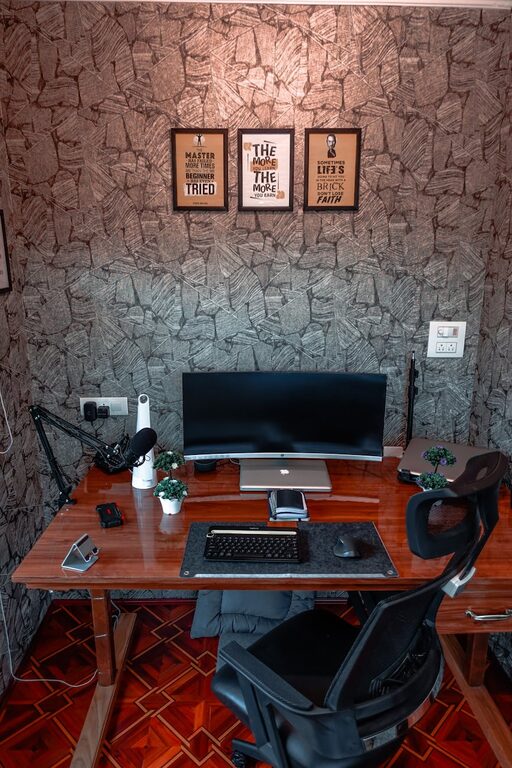
Tips for Creating a Cozy and Functional Home Office Space
Creating a home office that is both cosy and functional can make a significant difference in how you approach your workday. Whether you work remotely full-time or occasionally need a dedicated spot for tasks, designing a space that inspires focus and comfort can help increase productivity and reduce stress. Here are some helpful tips to create a home office that feels inviting and supports your work needs.
1. Choose the Right Location
Selecting the right spot in your home is the first step. Consider the following:
– Natural light: Opt for a space with plenty of natural sunlight, as it improves mood and reduces eye strain.
– Minimal distractions: Find a quiet corner or room away from high-traffic areas.
– Accessibility: Make sure the space has easy access to power outlets and internet connections.
If space is limited, a small corner with a desk and chair can work well with smart organisation.
2. Invest in Comfortable and Supportive Furniture
Comfort is key when spending long hours at your desk. Prioritise:
– Ergonomic chair: A chair with lumbar support prevents back pain and encourages good posture.
– Desk at the right height: Your desk should allow your elbows to be at a 90-degree angle when typing.
– Adjustable options: Consider a sit-stand desk or adjustable chair/desk to change positions throughout the day.
Comfortable furniture supports longer periods of focused work without physical strain.
3. Organise Your Space Effectively
Clutter can interfere with your concentration. Keep your workspace organised by:
– Using storage solutions: Shelves, drawers, and boxes help keep documents and supplies tidy.
– Keeping essentials close: Store frequently used items within easy reach to avoid unnecessary movement.
– Cable management: Use clips or cable organisers to prevent tangled wires.
Regularly declutter to maintain a clean and purposeful environment.
4. Add Personal Touches to Boost Comfort
A cosy environment encourages motivation. Add elements such as:
– Soft textiles: Cushions, rugs, or blankets can soften the space and make it inviting.
– Plants: Adding greenery improves air quality and adds a calming touch.
– Artwork or photos: Personal images or inspiring art create a positive atmosphere.
Choose items that bring you joy without making the space feel cluttered.
5. Optimise Lighting to Reduce Eye Strain
Good lighting is essential for comfort and productivity. Aim to:
– Maximise natural light during the day.
– Use adjustable desk lamps with warm bulbs for focused lighting.
– Avoid glare on your screen by positioning lights thoughtfully.
Layer lighting options for flexibility throughout the day.
6. Create Zones for Different Tasks
If space allows, designate areas for various activities:
– Work zone: Main desk with computer and supplies.
– Reading or brainstorming nook: A comfy chair with a small side table.
– Storage zone: Shelves or cabinets for materials.
Separating tasks helps your mind switch modes and stay organised.
7. Minimise Noise
Noise can be distracting, so consider these methods:
– Use noise-cancelling headphones if external sounds interrupt you.
– Add soft materials like curtains, rugs, and cushions to absorb sound.
– Seal gaps in doors or windows to reduce noise from outside.
A quieter space helps maintain focus and reduces stress.
8. Keep Technology Up to Date and Organised
Reliable technology is integral for efficient work:
– Invest in a fast, stable internet connection.
– Choose peripherals like keyboards and mice that are comfortable and responsive.
– Keep devices charged and cables neatly placed.
Ensure your tech setup supports your work needs without frustration.
9. Maintain Good Air Quality and Temperature
A fresh and comfortable environment improves well-being:
– Ventilate your office regularly by opening windows or using air purifiers.
– Control temperature with a fan, heater, or thermostat for comfort.
– Avoid overly stuffy or cold conditions which can be distracting.
Taking care of your physical environment reduces discomfort.
10. Set Boundaries and Schedule Breaks
To keep balance and mental clarity:
– Establish consistent working hours to separate work from personal time.
– Take breaks to stretch, move, and rest your eyes.
– Use your cosy environment as a reward for productivity rather than a distraction.
Clear boundaries support long-term productivity and wellbeing.
—
Creating a home office that balances comfort with practicality is achievable with thoughtful planning. By choosing the right location, investing in quality furniture, organising your space, and adding personal touches, you can build an environment where productivity and relaxation coexist. Implement these tips to make your home office a place you look forward to working in every day.
