
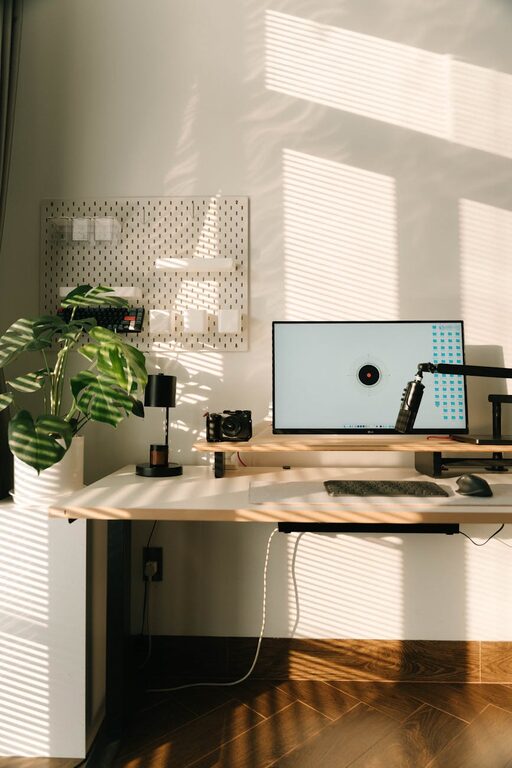
Tips for Creating a Sustainable and Organised Home Office Space
Creating a home office that is both sustainable and organised can greatly enhance your work experience, reduce your environmental footprint, and promote a calmer, more focused mindset. Whether you work remotely full-time or occasionally need a dedicated workspace, setting up your office with sustainability and order in mind can bring long-lasting benefits.
In this post, we’ll explore practical tips to help you combine eco-friendly principles with efficient organisation, making your home office a pleasant and productive environment.
Why a Sustainable and Organised Home Office Matters
A well-organised home office saves time and reduces stress by keeping essentials accessible and clutter at bay. Adding sustainability into the mix means choosing materials and habits that reduce waste and conserve resources. Together, these approaches support your wellbeing, improve efficiency, and contribute positively to the planet.
—
Choosing Sustainable Materials for Your Office
Starting with what you bring into your space ensures your office is environmentally responsible.
Opt for Recycled or Upcycled Furniture
– Look for desks, chairs, and shelves made from reclaimed wood or recycled materials.
– Consider buying second-hand or restoring existing furniture rather than purchasing new.
Use Eco-Friendly Office Supplies
– Select stationery made from recycled paper and biodegradable products.
– Use refillable pens and sustainable inks to minimise plastic waste.
Energy-Efficient Lighting
– Use LED bulbs or natural daylight to reduce electricity consumption.
– Position your desk near windows to maximise natural light.
—
Organising Your Workspace Efficiently
A tidy and planned work area helps keep distractions low and productivity high.
Declutter Regularly
– Sort through your papers and electronics weekly; recycle or donate items you no longer need.
– Use digital tools to reduce paper usage, such as note-taking apps and online calendars.
Utilise Smart Storage Solutions
– Use drawer organisers, trays, and boxes to keep small items like cables and stationery neat.
– Label storage containers clearly to find things quickly.
Cable Management
– Use clips, ties or sleeves to bundle cables together and keep them off the floor.
– Consider wireless devices where possible for less clutter.
—
Incorporating Green Practices Daily
Sustainability is an ongoing habit you can reinforce with simple daily routines.
Minimise Waste
– Avoid single-use plastics by using reusable water bottles and coffee cups.
– Set up a recycling station close to your desk for paper, plastic, and electronics.
Save Energy
– Turn off devices when not in use.
– Use power strips with switches to easily disconnect multiple electronics.
Choose Plants for Air Quality and Calm
– Incorporate easy-care indoor plants to improve air quality and create a relaxing atmosphere.
– Plants like spider plants, snake plants and pothos are low-maintenance and beneficial.
—
Creating a Comfortable and Inspiring Space
Your environment affects how you feel and work throughout the day.
Invest in Ergonomic Furniture
– Choose an adjustable chair and desk height to maintain good posture.
– Use footrests or wrist supports where needed to avoid strain.
Personalise Thoughtfully
– Add art, photos, or inspiring quotes that motivate you without causing clutter.
– Keep decorations minimal to preserve a calm atmosphere.
Maintain Airflow and Freshness
– Open windows regularly for fresh air.
– Avoid strong scents or harsh chemicals which can be distracting or unpleasant.
—
Regular Review and Adaptation
Your needs and work habits may change over time. Scheduling occasional reviews helps maintain the sustainability and organisation of your home office.
– Set quarterly reminders to reassess your space.
– Consider what’s working and what could be improved, whether storage, lighting, or eco-friendly choices.
– Don’t hesitate to update or replace items with better or greener options.
—
Conclusion
Creating a sustainable and organised home office is not about perfection but rather thoughtful choices that promote efficiency, health, and environmental responsibility. By selecting eco-friendly materials, maintaining an organised layout, embracing green habits, and personalising your space for comfort, you can enjoy a workspace that supports both your productivity and the planet.
Start with small changes and gradually build your ideal home office — it’s an investment in your work life and the environment.
