Tips for Creating a Productive Home Workspace That Suits Your Lifestyle
Creating a productive home workspace is essential for anyone working remotely or simply looking for a dedicated area to focus. The right environment can make a significant difference in your motivation, efficiency, and overall wellbeing. However, a workspace that works for one person might not suit another, especially as lifestyles and habits vary greatly.
In this post, we’ll explore practical tips to help you tailor your home workspace to your lifestyle, making it a place where you can both thrive and feel comfortable.
Understand Your Work Needs
Before setting up your workspace, take a moment to reflect on the nature of your work and your daily routine.
– Assess your tasks: Are you mostly on the computer, taking calls, or doing creative work? Your desk setup, storage, and technology will vary accordingly.
– Consider your schedule: Do you work standard hours, or is your day split between work and other activities? You might need a flexible space that adapts to different times of day.
– Identify personal preferences: Some people work best in quiet spaces; others prefer some background noise or natural activity.
By understanding these needs, you can design a workspace that supports your specific tasks and rhythms.
Choose the Right Location
Selecting the ideal spot for your workspace is key.
Quiet and Private
For focused work, choose a quiet corner or room with a door. This helps minimise distractions and lets you separate work from domestic life.
Natural Light
Position your desk near a window if possible. Natural light boosts mood and energy, reducing eye strain. Just be sure to avoid screen glare by angling your monitor correctly.
Available Space
Make sure the area is large enough for your desk, chair, and any equipment or materials you frequently use. Crowded spaces can cause stress and reduce efficiency.
Invest in Comfortable Furniture
Working comfortably is crucial for productivity and physical health.
– Ergonomic chair: Choose a chair that supports good posture with adjustable height and lumbar support.
– Suitable desk: Your desk should allow you to keep your arms at a comfortable angle while typing, with enough surface area for your essentials.
– Adjustable options: If possible, consider a sit-stand desk to vary your position throughout the day.
Comfort will help reduce fatigue and improve concentration.
Keep Technology Organised
A tidy and efficient technology setup saves time and stress.
– Reliable hardware: Ensure your computer, internet connection, and accessories match your work demands.
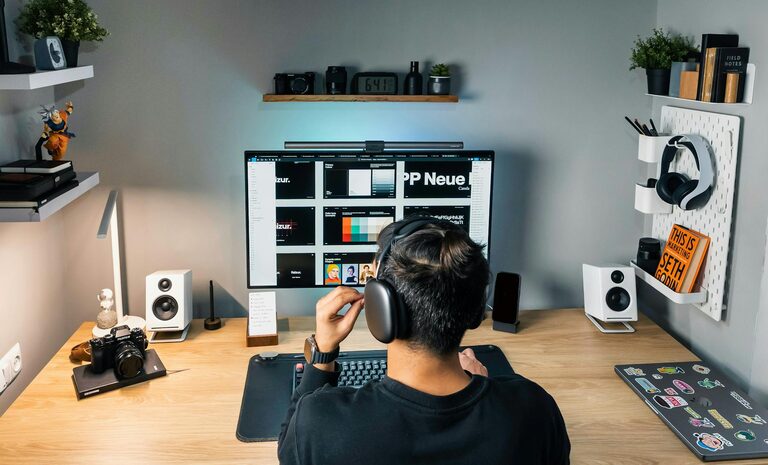
– Cable management: Use clips, ties, or cable organisers to keep cords neat and out of the way.
– Extra devices: Consider items that enhance productivity, like a second monitor, quality headphones for calls, or a printer/scanner if needed.
Keeping your tech organised minimises distractions and helps maintain focus.
Personalise Your Space
Adding personal touches makes your workspace inviting and motivating.
– Plants: Indoor plants improve air quality and provide a calming vibe.
– Decor: Photos, artwork, or decorations that inspire you can boost mood.
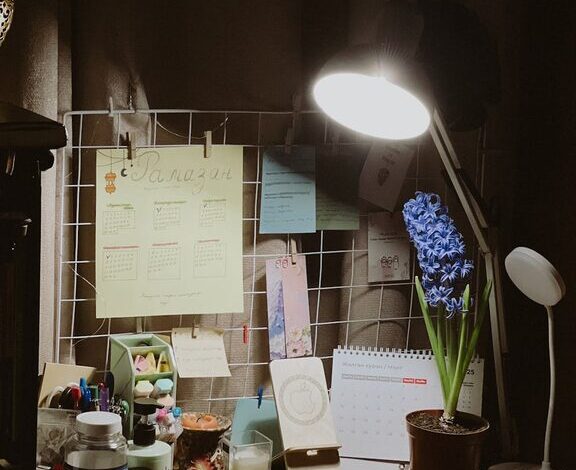
– Lighting: Besides natural light, use adjustable lamps to ensure adequate illumination.
At the same time, avoid clutter—too many items can be overwhelming.
Establish Clear Boundaries
To maintain work-life balance, it’s important to set rules around your workspace.
– Set working hours: Decide when you’ll start and finish work to avoid overworking.
– Use your workspace only for work: This helps your brain associate the area with productivity.
– Communicate boundaries: If you live with others, let them know your working times to minimise interruptions.
Boundaries help protect your focus and preserve personal time.
Optimise for Your Lifestyle
Your workspace should fit your daily habits and preferences.
– If you have children or pets, consider soundproofing or barriers.
– If you enjoy movement, leave room for short stretches or breaks.
– If your work requires collaboration, create a space that allows for virtual meetings with good lighting and background.
Keep experimenting and adjusting your setup as your needs evolve.
Maintain Organisation and Cleanliness
An organised workspace supports productivity and reduces anxiety.
– Declutter regularly: Keep only what you need on your desk.
– Use storage solutions: Shelves, drawers, and boxes help keep materials tidy.
– Clean daily: Wipe surfaces and tidy up at the end of each day.
A clean and orderly environment encourages focus and efficiency.
Incorporate Break Space Nearby
Having a spot close to your workspace where you can relax encourages healthy breaks.
– A comfy chair for reading or resting
– A small area for stretching or meditation
– Easy access to water and snacks
Taking breaks away from your desk can refresh your mind and body, improving overall productivity.
Conclusion
Designing a productive home workspace that suits your lifestyle is about balancing comfort, functionality, and personal preferences. By considering your work habits, choosing the right location, investing in quality furniture, and maintaining organisation, you create an environment that supports your best work.
Remember, your workspace can evolve, so keep adapting it as your lifestyle and work changes. Small improvements often lead to big gains in productivity and wellbeing. Happy working!