
Simple Decor Changes to Create a Relaxing Home Environment
Creating a relaxing home environment doesn’t require a complete overhaul or expensive redesign. Small, thoughtful decor changes can make a noticeable difference in how comfortable and tranquil your living space feels. Whether you want to unwind after a busy day or simply enjoy a more peaceful atmosphere, these tips will help you transform your home into a soothing retreat.
Why a Relaxing Home Environment Matters
A calm space supports better mental health and reduces stress. Your home should be a sanctuary, a place where you can relax and recharge. By making simple adjustments to your decor, you enhance not only the look but also the atmosphere, encouraging peace and comfort.
Choose Soothing Colours
Opt for Neutral and Soft Tones
Colours greatly influence mood. Soft, neutral shades like beige, light grey, soft blues, or gentle greens help create a serene atmosphere. These colours are easy on the eyes and encourage relaxation.
Avoid Overly Bright or Dark Shades
While bright colours can energise, they may also feel overwhelming if overused. Similarly, excessively dark colours can make a room feel cramped and heavy. Use these sparingly or balance them with lighter accents for a calm effect.
Incorporate Natural Elements
Bring in Plants
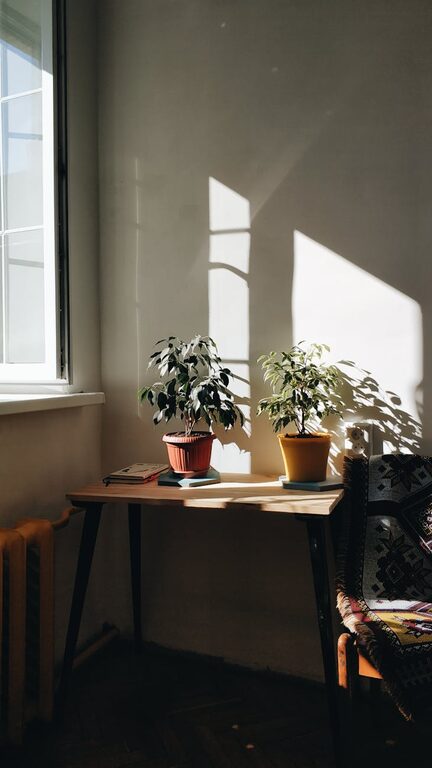
Houseplants are not only visually appealing but also improve indoor air quality and add a touch of nature. Choose low-maintenance varieties like spider plants, snake plants, or pothos to introduce greenery without added stress.
Use Natural Materials
Consider decor and furniture made from wood, bamboo, stone, or linen. These materials bring texture and warmth to a room, creating a grounding effect that soothes the mind.
Declutter and Simplify
Keep Surfaces Clear
Clutter can increase anxiety and disrupt the feeling of calm. Regularly clear surfaces like coffee tables, countertops, and shelves. Store items out of sight where possible.
Adopt Minimalist Decor
Focus on a few meaningful pieces rather than crowding your space with decorations. This approach helps keep the environment open and refreshing.
Pay Attention to Lighting
Maximise Natural Light
Natural daylight boosts mood and helps regulate sleep cycles. Use light, flowing curtains to allow sunlight in while maintaining privacy.
Use Warm, Soft Lighting
Replace harsh white bulbs with warm-toned LED or incandescent lights. Add floor lamps or table lamps with dimmer switches to adjust lighting according to the time of day and activity.
Create Comfortable Seating Areas
Invest in Soft Textiles
Add cushions, throws, and rugs made of soft fabrics to enhance comfort. Textured textiles invite you to relax and can make a seating space feel cosy.
Arrange Furniture for Social Interaction and Relaxation
Position chairs and sofas to encourage easy conversation and allow for relaxation without feeling cramped. Avoid placing furniture against walls to create a sense of openness.
Add Personal Touches
Display Meaningful Items
Incorporate photos, artwork, or souvenirs that bring joy and positive memories. Personalised spaces feel welcoming and comforting.
Use Calming Scents
Introduce subtle aromas with candles, essential oil diffusers, or fresh flowers. Lavender, chamomile, and sandalwood are known for their relaxing qualities.
Maintain a Consistent Theme
Having a cohesive style throughout your home helps avoid visual chaos. Decide on a colour scheme and decor style that suits your taste and stick to it, ensuring all rooms feel connected and balanced.
Final Thoughts
Creating a relaxed home environment is achievable with simple, manageable decor changes. Focus on soft colours, natural materials, good lighting, and personalised touches, and you’ll find your home becoming the peaceful sanctuary you deserve. Start small, and enjoy the calming atmosphere grow with each thoughtful update.
